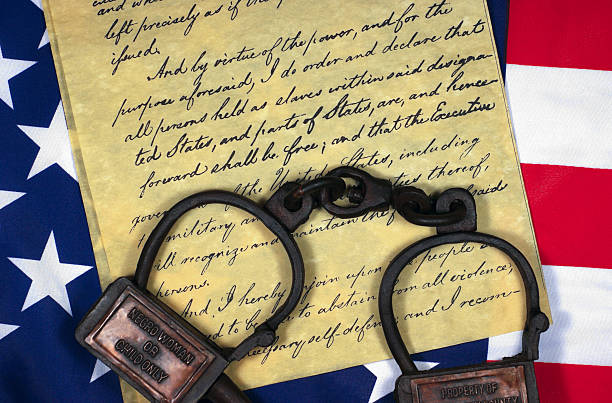
Included as Appendix A in the memoir The Cult: A Black American Project, “Petition for Clarity, Record Access, and Constitutional Redress” expands the book’s exploration of identity, history, and truth into the realm of constitutional inquiry.
Written by author Wannetta Kinsey as a “Petitioner in Conscience,” the document examines a fundamental question: How can a nation preserve records detailed enough to document, insure, and compensate enslavers, yet leave many descendants of enslaved people unable to access the records necessary to trace their origins?
Rather than seeking an immediate monetary award, the petition raises unresolved constitutional questions surrounding genealogy, lineage, record preservation, and equal access to historical documentation. Drawing upon the Thirteenth, Fourteenth, and Fifth Amendments, it argues that the inability to establish ancestry may function as a continuing barrier to legal recognition and redress.
The petition explores issues including the preservation of slavery-era records, post-Emancipation compensation programs, the legal implications of surnames assigned through enslavement, and whether the denial of lineage information may constitute an ongoing Equal Protection concern. At its core is the argument that identity is a prerequisite to justice—and that inaccessible origins can foreclose claims before they are ever heard.
As with the memoir itself, the appendix does not claim to provide final answers. Instead, it invites readers to consider difficult questions about history, citizenship, memory, and the records that shape both.
Featured in The Cult: A Black American Project, this appendix serves as both a personal inquiry and a broader challenge to examine how the legacy of slavery continues to influence access to identity, belonging, and constitutional recognition in America.